









For municipalities, paper-based plan review may seem like the tried-and-true method. But the true cost of handling paper during the permitting process is often the source of many delays and increased costs to the applicant. Municipalities are finally discovering that what once appeared to be a solid routine is slowing down reviews, straining budgets, and increasing the risk of error.
The Physical Burden of Paper
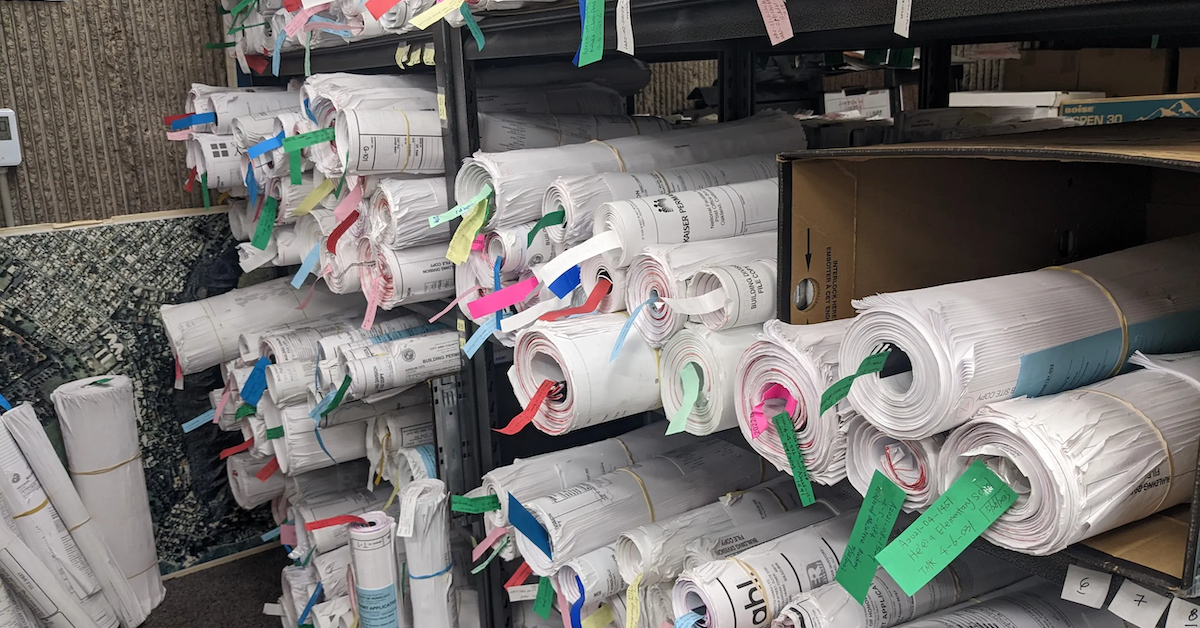
Printing and copying costs are one of the most immediate pain points for municipalities. As the plan review process occurs, typically multiple full-size plans, often in large-format and color, are required. When revisions are requested, all sets must be reprinted, leading to additional costs for printing, toner, specialty paper, and more. In some cases, departments require up to ten large-format plan sets per project. Multiply that by several iterations per project, and the volume becomes overwhelming.
Plan sets then have to be delivered to reviewers, either by office staff, courier, or, sometimes, the applicants. That means additional labor, time, and coordination. Staff can spend hours each week simply accepting deliveries and routing them internally. When factoring in return trips from applicants picking up reviewed documents or rejected submittals, that cost escalates further.
Municipalities often are required to store plan documents for years. Entire rooms, floors, or even offsite facilities are often dedicated to house archive plan sets. This leads to space constraints and ongoing costs to manage and maintain physical archives. Retrieving archived documents can be slow and inconsistent as well, especially when they are misfiled or incomplete. Misplaced plan sets can lead to delays in final permit issuance, frustrating applicants through no fault of their own.


Administrative Time Adds Up
The true drain of paper-based systems is often felt in administrative overhead. Every plan that comes through the door must be accounted for, assigned out, and tracked manually. This includes data entry, tracking down missing items, and reprints if pages are lost or updated. When a team is managing a high volume of plans simultaneously, these inefficiencies compound.
The time spent by staff managing paper-based processes could easily be avoided with a more transparent plan review system, like e-PlanREVIEW® from e-PlanSoft. With no automated audit trail or version control, enforcing accountability becomes difficult as paper is being moved from one reviewer to the next. And determining what happened in the lead-up to delays and disputes can take days, instead of minutes.
Time to Reevaluate the Process
Paper-based processes are no longer serving the best interest of cities, counties, and states. Printing, shipping, storage, and other costs that come with paper plan review are often far higher than expected. As pressure increases from applicants to speed up the permitting process and improve transparency, the hidden paper related costs can become bottlenecks.
With electronic plan review, the burdens of paper-based plan review are eliminated. Agencies and departments can improve applicant satisfaction, streamline workflows, and reduce overhead, all while ensuring plans are accurate, accessible, and secure. Leveraging advanced technologies and embracing digital transformation allows agencies to adapt and thrive in the ever-evolving landscape.
 e-PlanSoft™ Team
.webp)
%20(4).png)
 e-PlanSoft™ Team