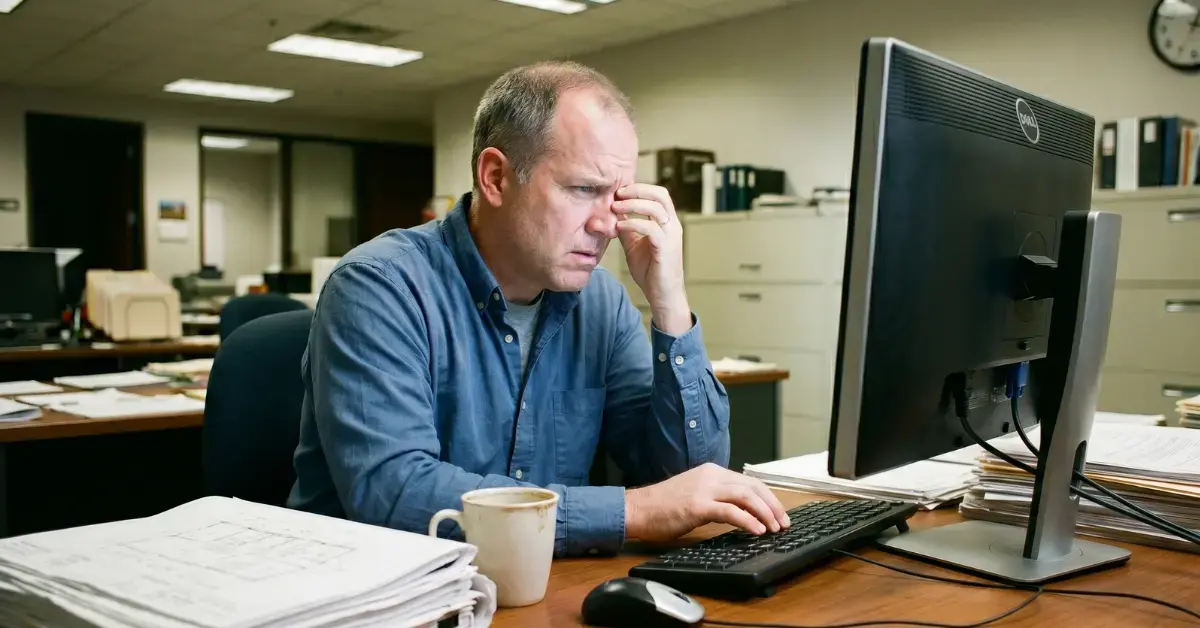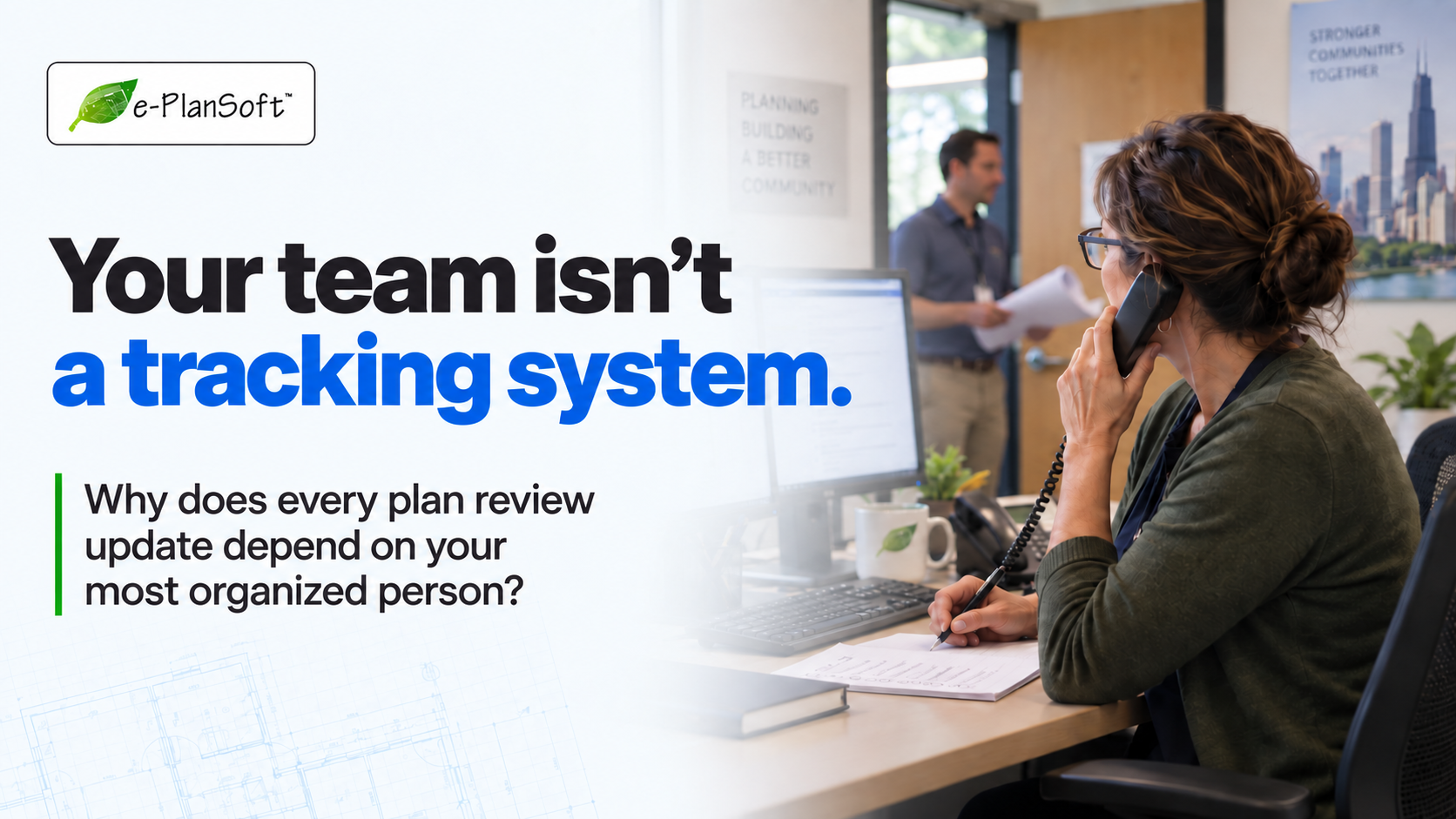
In almost every planning department, there's someone who feels like the babysitter for the plan review process. Their job is hyper-tactical. Chasing reviewers between five departments. Fielding "where's my plan" calls from applicants. Stitching together comments from a half-dozen Word docs into one document the applicant could actually read.
They’re usually the most organized person on the team. Their calendar is a wall of 15-minute check-ins. Their inbox is the system of record. And when that person takes a vacation, three other people have to cover what they do, and they still miss things.
Most agencies (especially the ones still running paper-based review who haven't yet looked at what a specialized plan review tool can do) accept that the babysitting just has to happen. It's the only way the work gets done.
So what causes the babysitting in the first place?
Plans come in across too many channels. Email, the permitting portal, paper copies delivered to the front counter, an engineer who texts the building official directly because they went to high school together. There's no single front door. So somebody has to triage every permit as it lands, decide what type of review it needs, and route it to the right people.
Each reviewer works in their own copy. The engineer marks up one PDF locally. Soil and water marks up another. Fire keeps a Word doc of their comments on their machine. Nobody is looking at the same plan at the same time, which means nobody catches it when the applicant emails an updated sheet to one department and not the others. Two reviewers come back with comments that contradict each other on the same line. The babysitter has to figure out why. Sometimes the answer is that they were reading different plans.
Status lives in everyone's head separately. There's no shared place to see what's done, what's pending, and what's stuck. It's 4:30 on a Friday and the applicant calls because his closing is Monday and he needs to know where his permit is. The babysitter walks down the hall to three different offices to find out. Two of those reviewers are already gone for the weekend. The applicant doesn't get a real answer until Monday afternoon. Multiply that by every active project.
Comments come out of every department in a different format. Different fonts, different code references, different tone with the applicant. One reviewer writes in complete sentences. Another sends bullet fragments. A third sends a screenshot. Somebody has to translate all of that into one document the applicant can read without calling for clarification.
Resubmissions arrive with no easy way to tell what changed. Version one was 180 sheets. Version two is 184 sheets. Somewhere in there are the responses to the last round of comments, and somewhere else are the new changes the applicant made without telling anyone. The babysitter has to compare them sheet by sheet, then cross-reference the previous comment letter to verify each item got addressed. On a project of any size that's half a day of work. Per resubmission.
Each of those gaps produces a chore. The chores don't go away on their own. They get absorbed by the person on the team most willing to absorb them.
That person becomes the babysitter.
This is where digital plan review actually does something useful.
Digitization isn't about making any single one of those chores faster. Faster chores are still chores. The point is to close the gaps that produce the chores in the first place.
One front door for plans. Every submission lands in the same place, gets tagged by project type, and routes to the right reviewers automatically. No human triage on the receiving end. No applicant going around the system because they couldn't figure out which email address to use.
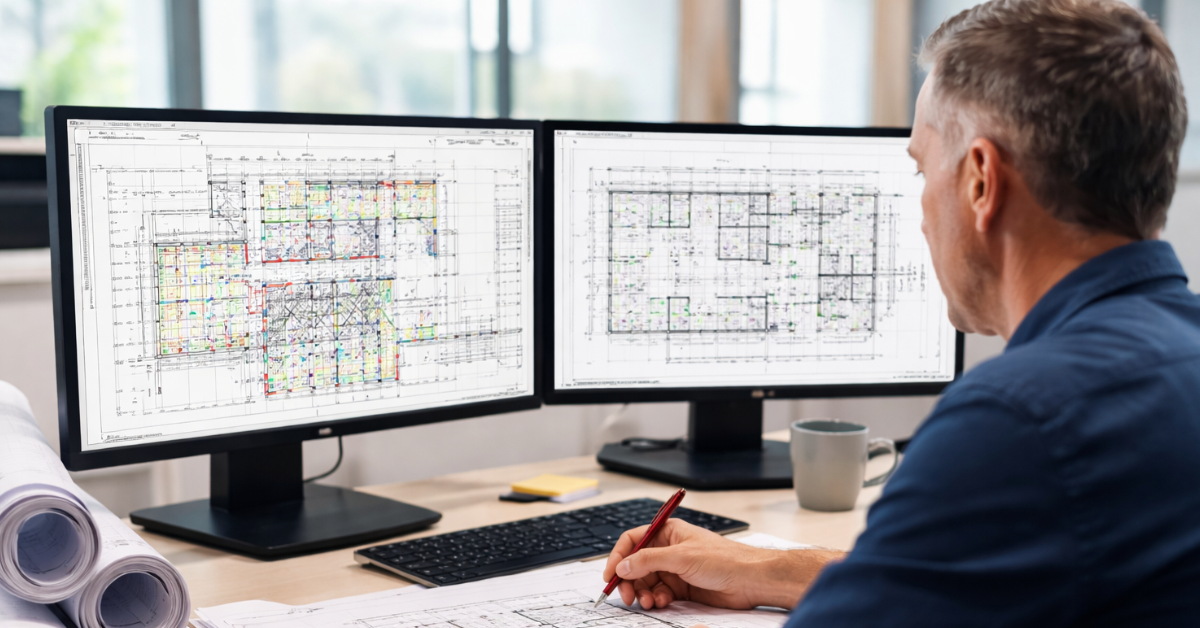
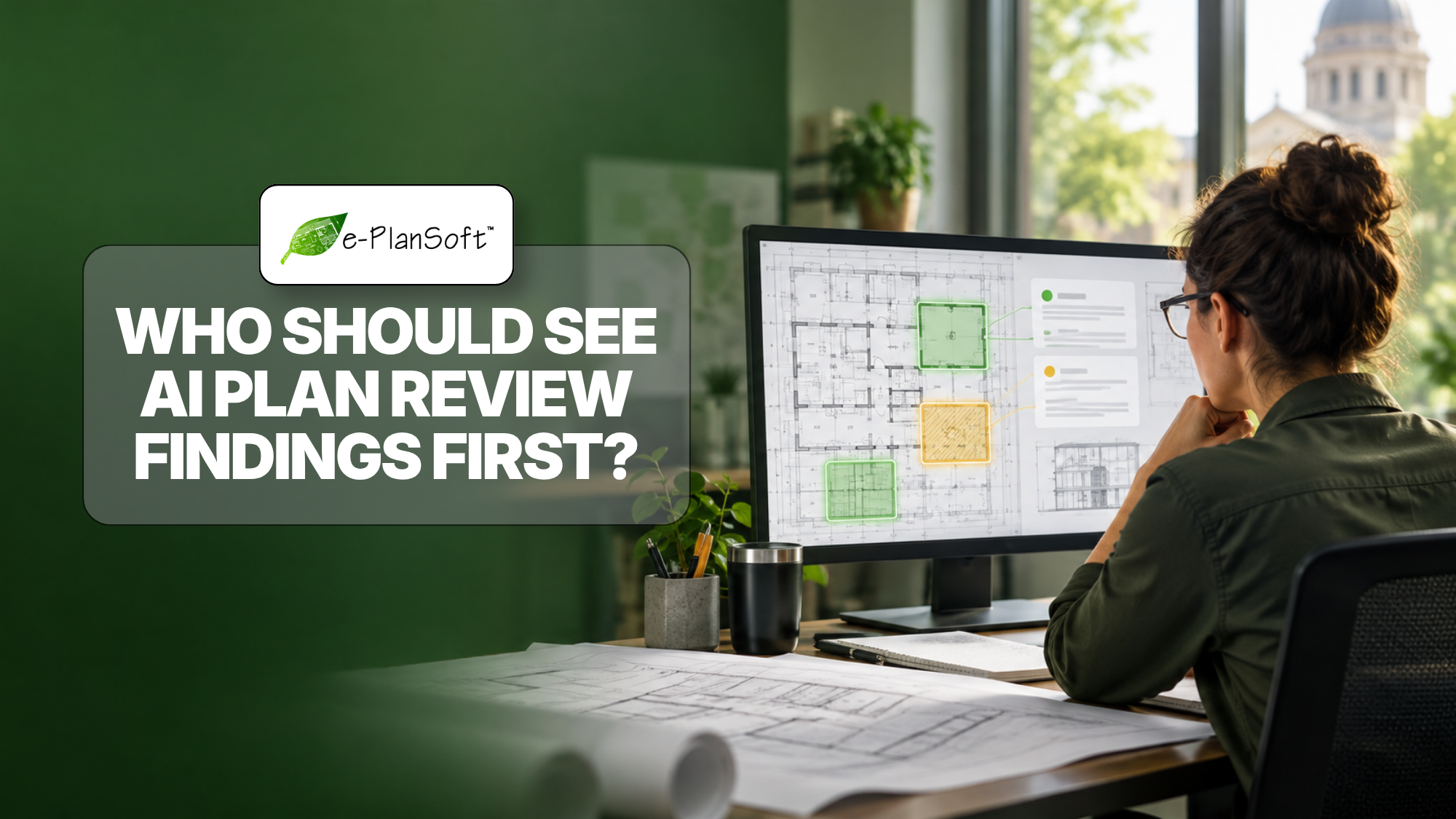
One shared plan set. Every reviewer works on the same copy. The engineer marks up in red, fire marks up in blue, zoning marks up in green, and everyone can see each other's markups in real time. The comments compile themselves as people work. When the applicant uploads a revised sheet, every reviewer sees the revision at the same moment.
A shared status view. The applicant logs in and sees exactly where his plan is. Your team logs in and sees which reviewers have started, which haven't, and which are sitting on a plan past their target turnaround time. The "where's my plan" call doesn't happen because the answer is already on the screen. The Friday afternoon hallway walk doesn't happen either.
A consistent comment letter, auto-generated from every reviewer's markups. Each markup becomes a line in the letter, formatted on your letterhead, ready to send. The marked-up plan set goes out with the letter and gets stored alongside it. When the applicant calls six months later asking what comment 14 actually meant, you can pull up the exact sheet and the exact markup that produced it.
An automatic overlay between submissions. The system shows you what changed. Every sheet, every line. It also tells you whether the previous comments got addressed before the new version even hits a reviewer's queue. The detective work goes away. The half-day-per-resubmission goes away with it.
Close the gaps with ePlanSoft.
Close the gaps and the system doesn't just do the work faster. It eliminates the need for most of the work.
Which means the babysitter gets her job back.
See what closing those gaps actually looks like. Book a 20-minute walkthrough of ePlanSoft today.
 Debra Senra
 e-PlanSoft™ Team