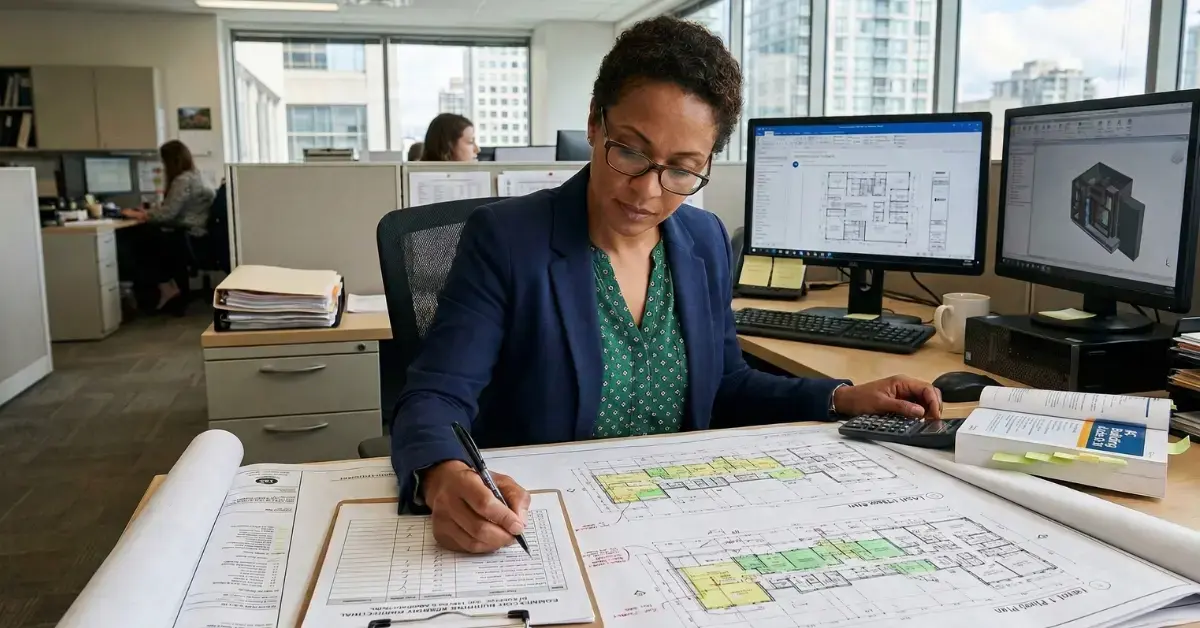









Imagine you're a plan reviewer who has just finished a grueling four-hour structural review. Your redlines are precise, your code citations are verified, and the markups are clear. The technical work is done.
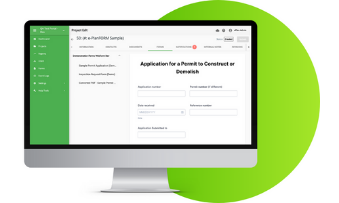
Then, you switch screens and open a separate Word document full of pre-written comments. You start the tedious process of scrolling, searching for the right egress or fire-separation language, and copying it into a blank document.
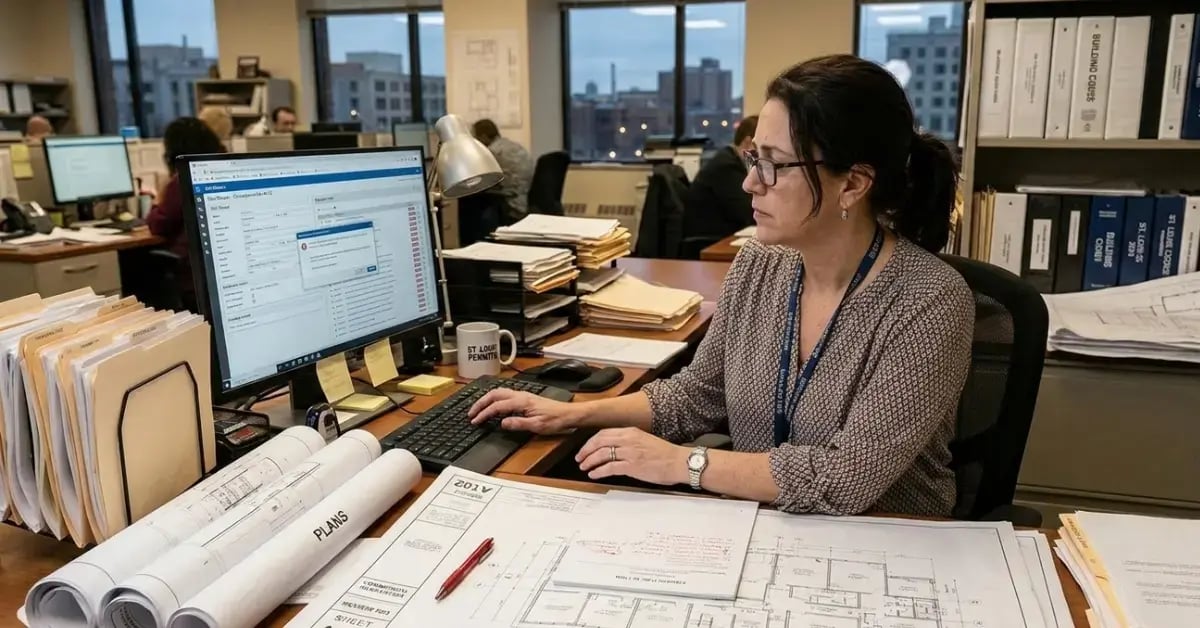
In many building departments, the completion of a plan review is only the halfway point. What follows is what we call the Double Entry Problem: the manual process of transcribing plan review comments into formal correction letters.
Key Takeaways
- The “Double Entry Problem” forces plan reviewers to duplicate work by manually recreating comments in correction letters, which slows down permit approvals.
- Manually rewriting plan review comments introduces inconsistencies and errors that lead to applicant confusion, increased resubmittals, and unnecessary support burden.
- The future of plan review lies in eliminating transcription altogether by using AI to generate accurate, consistent correction reports directly from reviewer markups.
What is the Double Entry Problem in Plan Review?
The Double Entry Problem occurs when a reviewer or administrative staff member must manually copy data from an electronic plan review (EPR) system into a separate document (like Word or Excel) to create a correction report for the applicant.
The Hidden Costs of Manual Transcription
Based on our work with cities and counties, we’ve identified three major pain points:
-
Time Loss: On average, departments spend 4 hours per plan set simply reformatting comments into letters.
-
Transcription Errors: When comments are rewritten, technical nuance is often lost. A specific redline on a drawing might become a vague "clarify egress" in the letter.
-
The Support Burden: If the correction letter doesn't match the plan markups, the applicant calls the department for clarification, leading to unnecessary meetings and email chains.
Where the Gap Creates Real Risk
The Double Entry Problem isn't just an efficiency drain; it’s an accuracy hazard. When you force a human to rewrite or copy-paste information across multiple platforms, things get lost in translation.
We’ve seen cases where the correction letter sent to the architect differs significantly from what was actually marked on the plans. A specific technical requirement noted during the review becomes a vague "please clarify" in the letter. Or, worse, a comment is missed entirely during the transcription process.
When the applicant receives a letter that says one thing while the plan markups suggest another, three things happen—none of them good:
-
Support Burden: Your phone starts ringing. The architect is confused and needs a 20-minute explanation for a comment that should have been self-explanatory.
-
Rework Loops: The applicant submits a revision that fixes the letter's version of the problem, but not the actual code violation. You’re now looking at a third or fourth submittal for the same issue.
-
Eroded Trust: The professional community (engineers, developers, and architects) begins to view the department as inconsistent.
Why Do We Rewrite Plan Review Comments?
It’s a diagnostic question every Building Official should ask: "If the comments are clear on the plans, why do they need to be rewritten at all?"
The answer usually isn't about the content. Rather, it’s about the delivery. Applicants, which include architects, engineers, and developers, work in design software like AutoCAD or Bluebeam. They need a structured, portable document they can share with their consultants.
The goal of a modern EPR system shouldn't be to make back-and-froth transcription faster; it should be to eliminate transcription entirely by generating the report directly from the markups.
4 Questions to Audit Your Plan Review Efficiency
To determine if "double entry" is capping your department's capacity, use this diagnostic audit with your team:
- The Time Audit: From the moment the technical review is finished, how many hours pass before the applicant receives the formal letter?
- The Error Check: How often do correction letters differ from what is actually marked on the plans?
- The Bottleneck Test: Who owns the "formatting" phase? Does the process stop if an administrative coordinator is out for the day?
- The Redundancy Count: How many times is a single code violation typed, copied, or pasted before the applicant sees it?
The Unglamorous Problem Worth Solving
Solving double entry isn't flashy. It isn't a headline-grabbing AI implementation or a total departmental overhaul. But when you bridge the gap between the technical markup and the correction letter, you free your experts to do what you hired them for: ensuring the safety and compliance of the built environment.
If your team is still doing the work twice, it might be time to look at a solution that understands a comment should only ever be written once. Let’s start a conversation today.
 e-PlanSoft™ Team
 Debra Senra

 Matthew Abbitt